

Hook Them with Curiosity (Issa Writes Digest 009)
Threads and thrillers use the same tactics...

Greetings, fellow writers!
As I mentioned in a post on Notes, I took a short break from Substack because I was working on another big project:
Writing 30 threads on X/Twitter in 30 days.
For anyone uninitiated, a thread is like a newsletter post in miniature:
It’s a series of tweets that follow each other, usually anchored about one big point.
Mine were a mix of writing breakdowns, listicles, personal stories, and writing tips.
And they take a lot of work:
Moreso than with Substack, X threads need to be short, punchy, and have a scroll-stopping image.
They must keep readers locked with each tweet.
I’m in the process of writing up a full case study of my threads experiment. But today, I’m showing you how threads work—and why they remind me of thriller novels…
A Thread: The Story of Concorde
This thread on the rise and fall of Concorde racked up nearly 5 million views.
Here’s the first tweet:

Why does it work?
Curiosity.
Words and phrases like “broke every rule,” “disaster,” and “untold story” make you have to know what you’re missing.
So you read on:
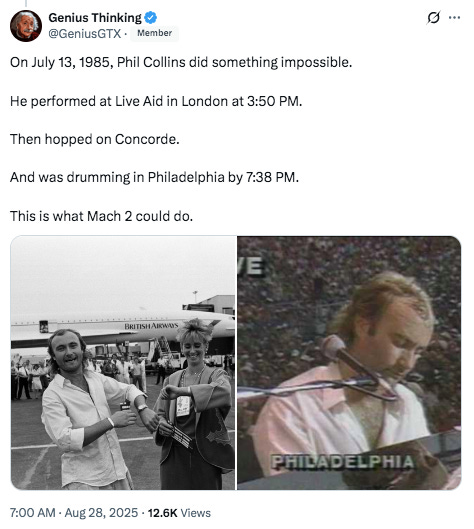
More facts. If you weren’t impressed by Concorde already, you are now.
And then you keep going:
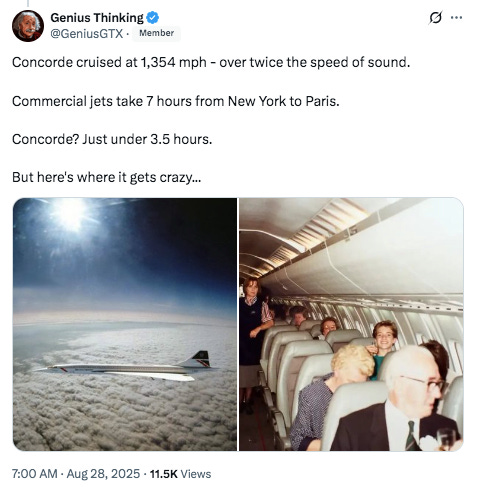
This line is the key:
“And here’s where it gets crazy…”
By this point in a thread, it might start to lose readers. So the writer gives a tease—to tell readers there’s more to come.
And they use the ellipsis to show the thought is unfinished.
It’s a subtle and effective tactic.
Here are a few other examples of great threads hook that spark curiosity (and use that ellipsis):


When I think about it, threads operate like thriller novels in miniature:
Tweets are like short chapters. Each ends with a cliffhanger—or something else to keep you curious.
Let’s look at two novels as examples…
A Book: Gone Girl by Gillian Flynn
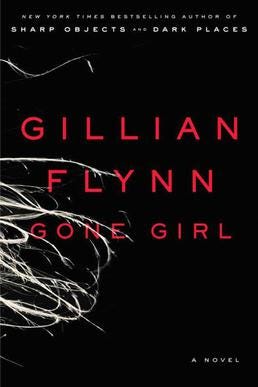
Gillian Flynn’s story of the disappearance of a woman named Amy Dunne shocked readers (and moviegoers) 10 years ago.
Part of why it works is that it keeps you reading.
Little asides pique your curiosity, and you can’t put the book down.
For example, the first section of the first chapter ends:
I suppose these questions stormcloud over every marriage. What are you thinking? How are you feeling? Who are you? What have we done to each other? What will we do?
Those last two questions function like the last line of a tweet:
They get you to keep reading the next one.
And then the chapter ends:
I felt an immediate, intense need to get inside. By the time I’d gone twenty feet, my neck bubbled with sweat. The sun was still an angry eye in the sky. You have been seen.
My gut twisted, and I moved quicker. I needed a drink.
Why is Nick Dunne afraid of being seen? What made his gut twist?
So you turn the page.
A Book: The Sanatorium by Sarah Pearse
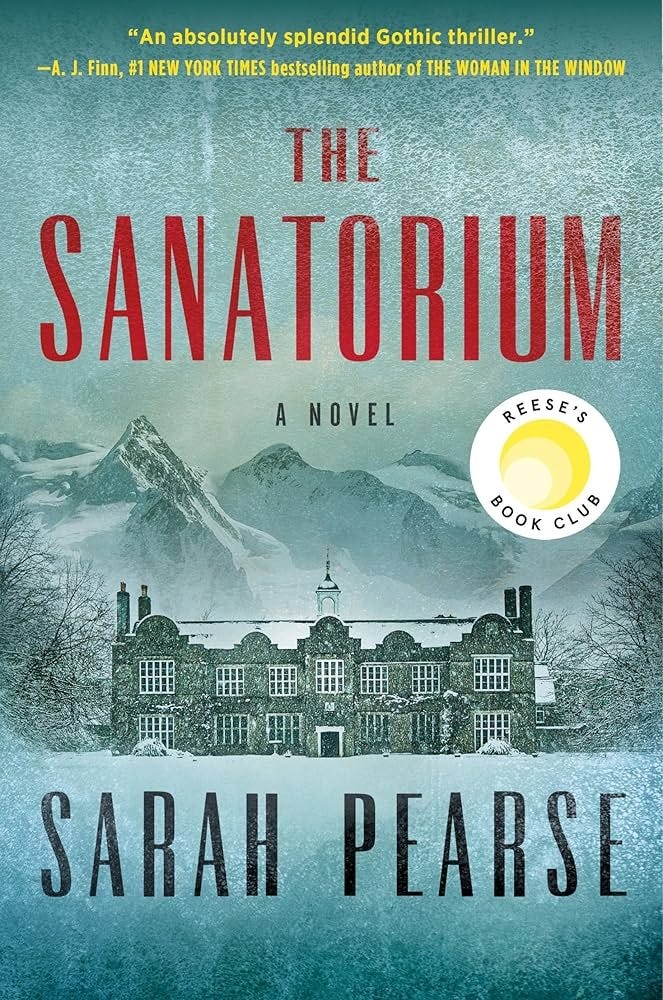
Another novel I want to recommend (with reservations) is Sarah Pearse’s The Sanatorium. I gobbled this book up right after my daughter was born. And while I wasn’t 100% satisfied with how the mystery was resolved, one thing is for certain:
Each chapter had me begging to read more.
Here’s how the prologue ends:
By the time he straightens, it’s too late: the gloved hand clamps over his mouth. Daniel can smell the stale mustiness of the glove but also the mask—the curious burnt-plasticky odor of the rubber, laced with something else.
Something familiar.
But before his brain can make the connection, something pierces his thigh. A single, sharp pain. His thoughts scatter; then his mind goes quiet.
A quiet that, within seconds, tips over into nothingness.
“Something else…something familiar.” Now you’re intrigued, too. What was the smell?
And why was this man targeted?
So you keep reading.
And here’s this week’s lesson:
Capturing attention is so, so important for writers of all kinds.
Want to write a page-turner? Want to stop the scroll and get people to read your content?
You must capture their attention. You must pique their curiosity. You must give them a reason to keep reading.
So study those thrillers and study those threads.
Until next time,
N.J.
P.S. If you’re serious about writing, there’s one newsletter I recommend you read.
When I wrapped up my 30 threads in 30 days experiment, it was the first one I caught up on—out of the 560 unread emails that had piled up.
It’s called The Write Way by James Carran.
Carran’s work is a direct inspiration for me. If you like my writing philosophy and lessons, if you write for the sake of writing, if you love words, you’ll love The Write Way.
Subscribe here: https://www.getpaidwrite.com/subscribe?ref=yeW0EHy9bs
Full disclosure: this is my referral link. The Write Way is entirely free, but James is kindly offering special bonus content for people who refer others to his newsletter.
If you sign up with my link, send me a DM here or on X, and I’ll edit 500 words for you as a thank you. It’s a double win for you!